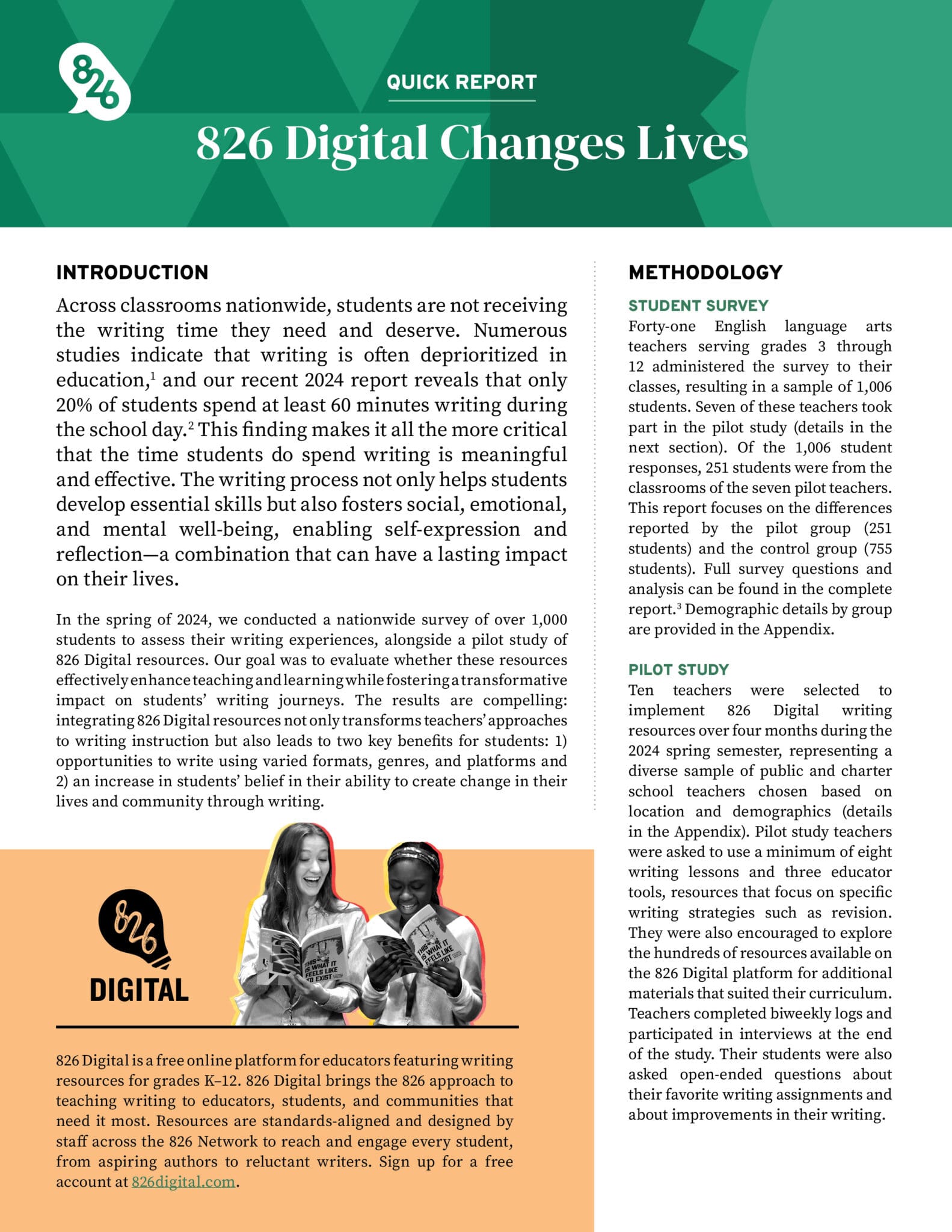
In the spring of 2024, we conducted a nationwide survey of over 1,000 students to assess their writing experiences, alongside a pilot study of 826 Digital resources. Our goal was to evaluate whether these resources effectively enhance teaching and learning while fostering a transformative impact on students’ writing journeys. The results are compelling: integrating 826 Digital resources not only transforms teachers’ approaches to writing instruction but also leads to two key benefits for students: 1) opportunities to write using varied formats, genres, and platforms and 2) an increase in students’ belief in their ability to create change in their lives and community through writing.

In our first report of this series, we showcased the perspectives of experts in the field and in the second report, teachers’ perspectives. In this report, we elevate the voices that matter most—those of the students themselves. Our survey of 1,006 students from across the country reveals a clear picture: students are not spending enough time writing and developing their skills in or out of the classroom to reap its benefits. Most students neither hate nor love writing—they are simply not doing it enough to know. We must ignite a love for writing with students so they experience academic and professional success and build strong social, emotional, and mental health skills to become future leaders, dreamers, and changemakers.

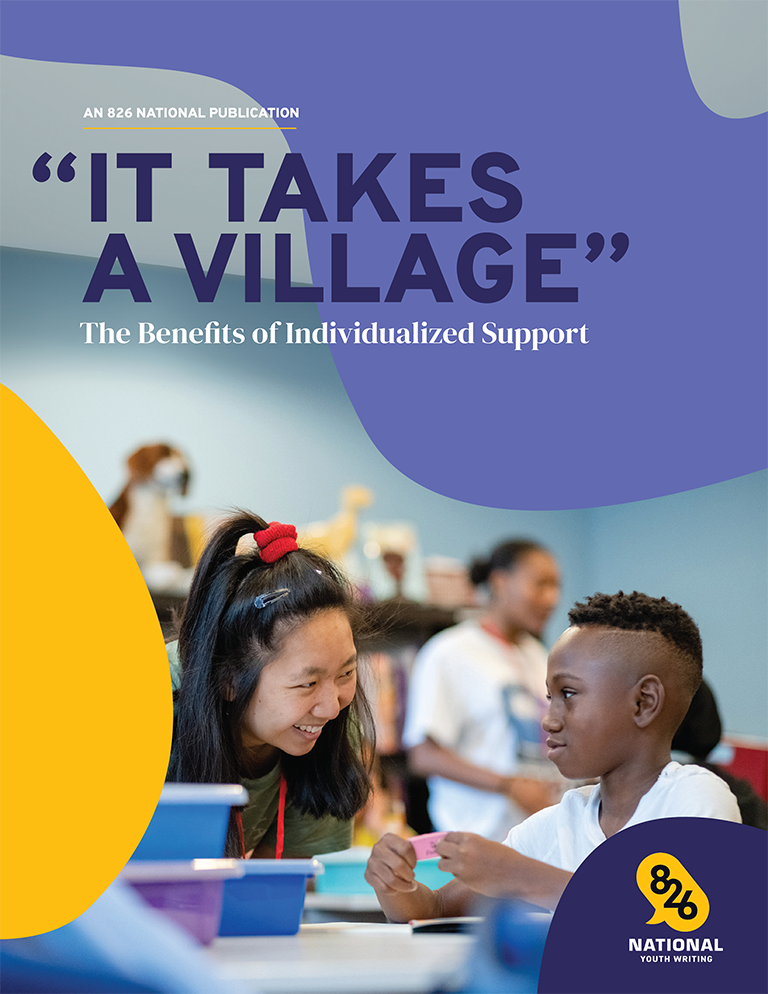
At 826, we know that great leaps in learning happen when students have the individualized support of positive adult tutors and mentors, especially when it comes to improving writing. Research has long shown that receiving individualized attention and building positive relationships with adult mentors contribute to students’ overall academic success, social and emotional growth, and planning for the future, which is why it has been one of 826’s key programmatic tenets since our founding.

This new report dives into current external research on the benefits of individualized support, alongside the proof points of 826’s own data, to show the power of and need for individualized support for students. It also shares 826’s best practices so that these impactful individualized support practices can reach more students and classrooms. The benefits of these relationships go far beyond improving a student’s writing skills, and yet, in our recent survey of 1,006 students nationwide, only 45% of students report they have a mentor relationship for schoolwork aside from their teacher or an immediate family member. Throughout this report, you’ll find case studies highlighting firsthand experiences of students, volunteers, and alumni from across the 826 Network.

While the world is currently moving into a post-pandemic era, young people are facing an unparalleled mental health crisis as one in five children struggle with mental health challenges. In 2022, more than 40% of teens stated they struggled with feelings of sadness or hopelessness, and more than half of caregivers stated they were concerned about their child’s mental health. This crisis is exacerbated by disparities in mental health across race and socioeconomic status. The suicide rate for children of color is almost twice the rate of their white counterparts (Hoffman, 2022), and low socioeconomic status is correlated with higher risk for mental health concerns (Hudson, 2005).

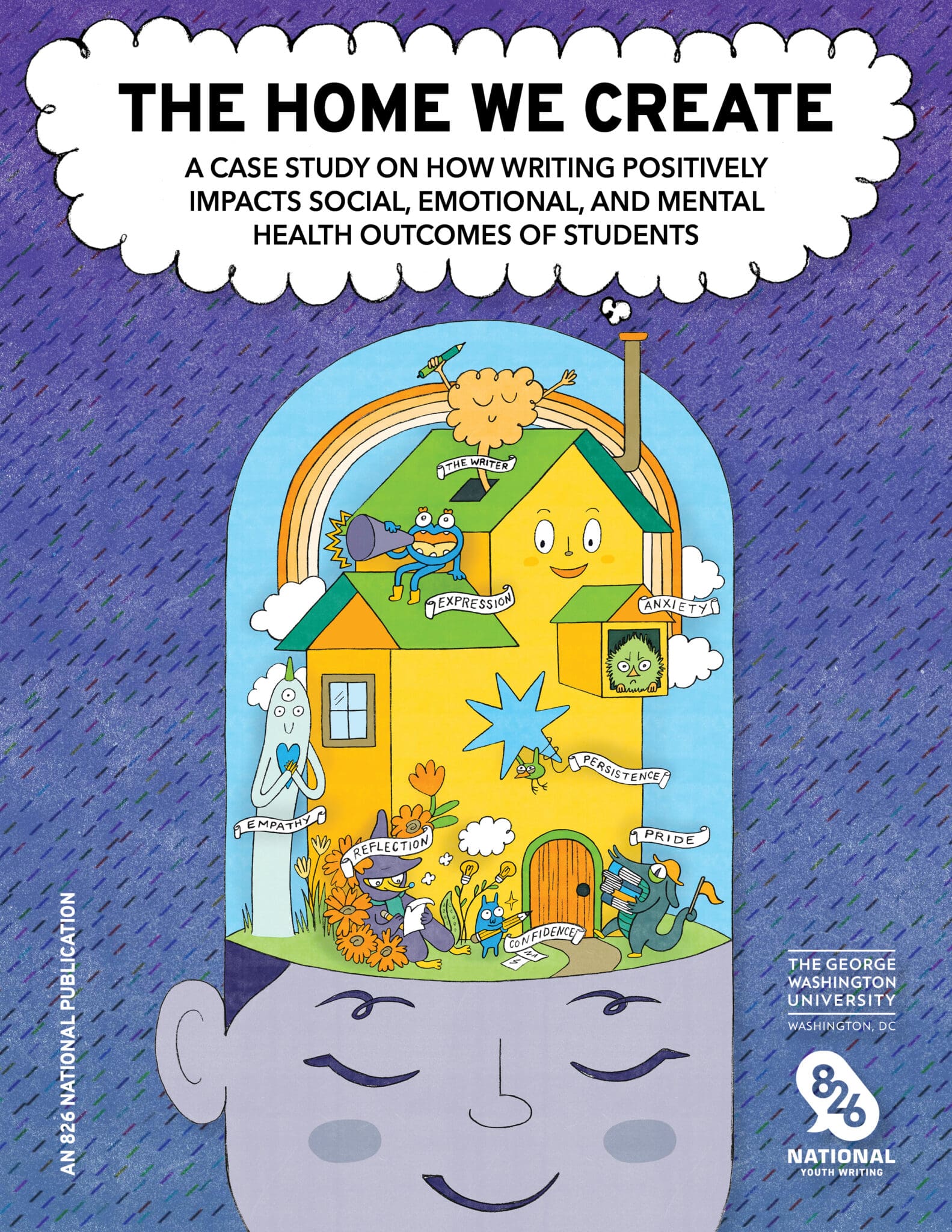
With nearly 10 million students in K–12 public schools nationwide in need of mental health support, schools and community organizations are key players in restoring children’s mental wellness. This effort is often tackled through social and emotional learning (SEL)—an educational focus that addresses the social, emotional, and behavioral components of mental health. There is strong evidence that writing encourages social and emotional growth (McGee, 2022). Writing is an outlet to communicate and navigate through life’s challenges. Schools and community organizations provide a space for students to write and thereby gain agency by expressing their thoughts and emotions through their stories.

This report uses 826 as a case study to explore the efficacy of creating spaces for students to build their social and emotional competency through the impacts of writing.

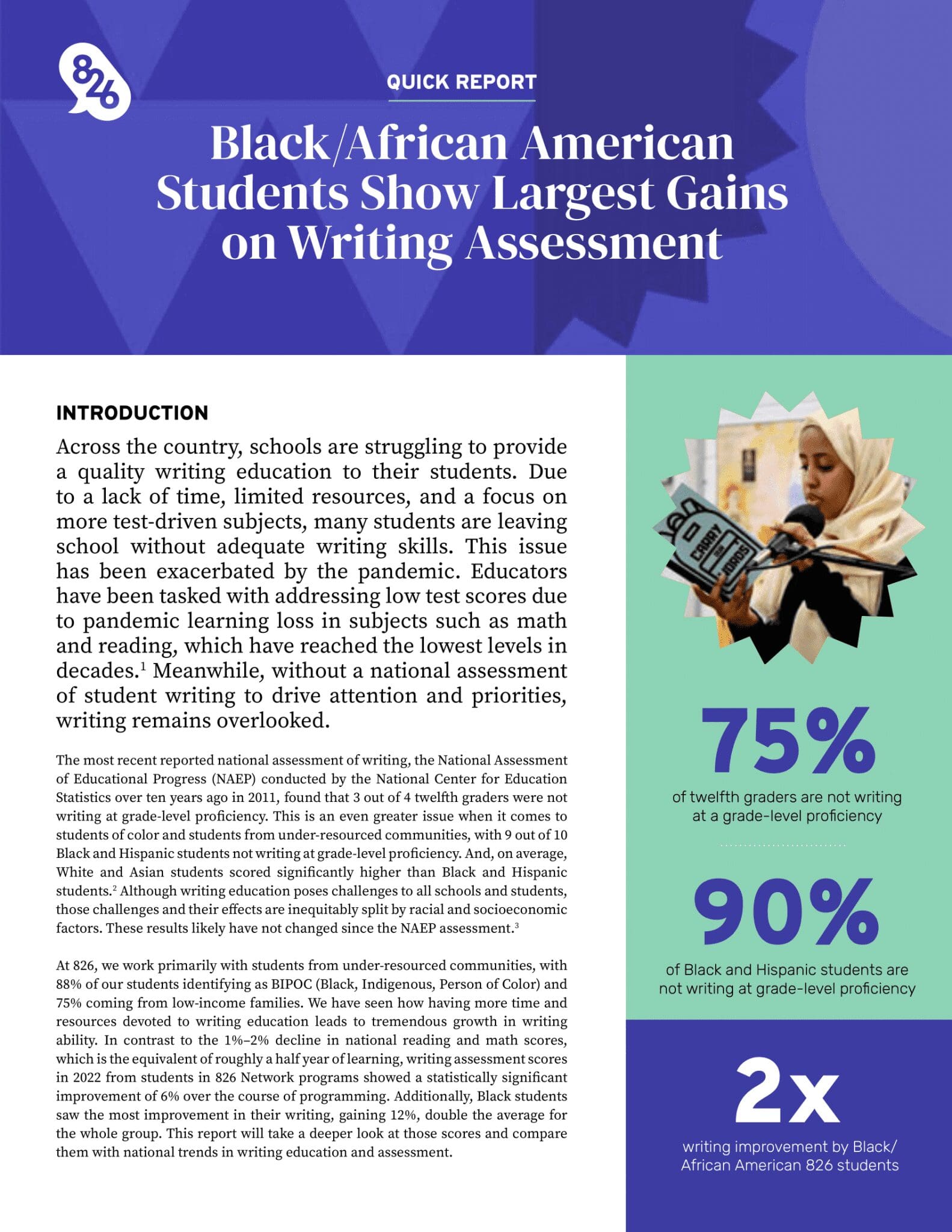
At 826, we have seen how more time and resources devoted to writing education leads to tremendous growth in writing ability. In contrast to the post-pandemic decline in national reading and math scores, writing assessment scores in 2022 from students in 826 Network programs showed a statistically significant improvement of 6% over the course of programming. And Black/African American students saw the most improvement in their writing, gaining 12%, double the average for the whole group. This data reveals a promising trend: despite ongoing struggles facing the writing education field, 826 is narrowing the gap in writing proficiency, especially among students from historically underserved communities. In this report, we dig into the findings from the 826 writing assessment, highlighting significant growth across demographic groups and diving further into the implications of those findings.

826 Writers’ Rooms are dedicated third spaces housed within partner schools where students immerse themselves in the writing craft, build their writing skills, and explore the depths of their imaginations on the page in a creative, supportive environment. We have seen firsthand how the Writers’ Room program benefits students in writing skills, social and emotional learning, creativity, leadership, and so much more. Now, we have external research to back up our observations. Drawing on research conducted by Northeastern University, this report provides evidence of positive outcomes and details the essential elements of a Writers’ Room so that students and schools everywhere can experience what makes these writing spaces so special.

In 2020, 826 National published a report on the state of writing education in the United States, calling out the challenges facing the writing education field, the benefits of writing for students, and the opportunities available to elevate the field. Now, we’re following up with our second report, The Truth About Writing Education in America Part 2: Raising Teacher Voices, which shares findings from a survey of over 200 teachers nationwide. This report confirms many of the findings from our first paper and provides strong evidence that the challenges in writing education remain, but digs in deeper to the teacher experience of teaching writing, particularly during the ongoing pandemic.

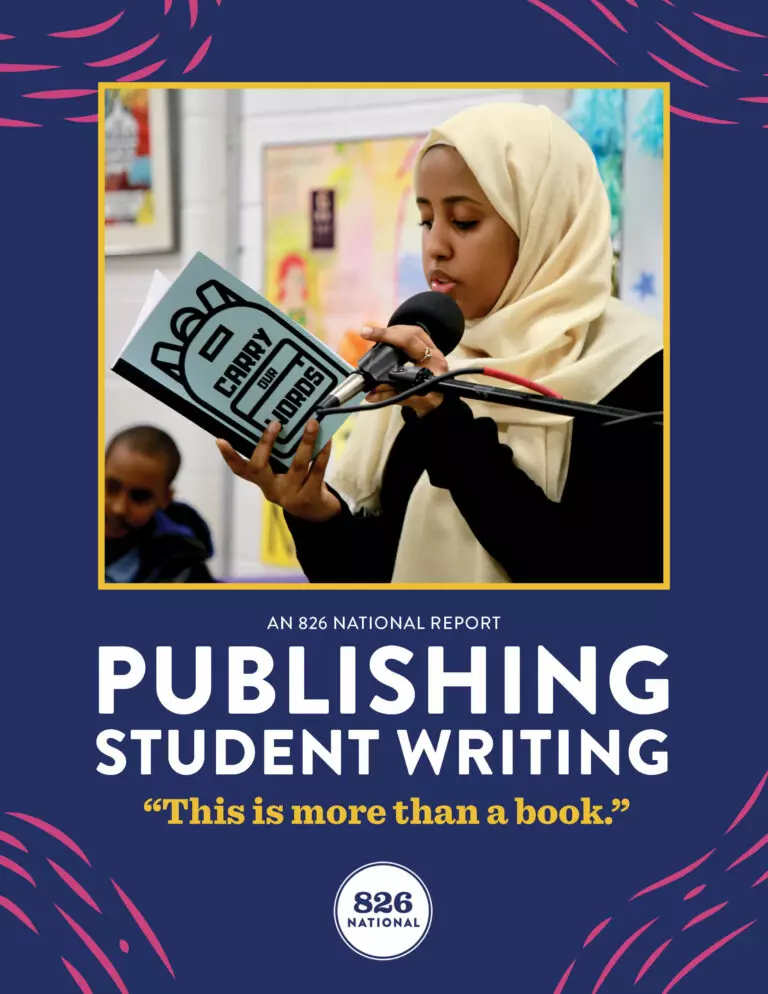
Publishing student work is an essential part of 826’s approach to writing education. It not only provides an opportunity for students to see their ideas reflected and valued in a tangible way that amplifies their voices to new and diverse audiences, but also increases their confidence and pride in themselves and their writing as they begin to see themselves as authors with words worth reading. We’ve seen that publishing student writing is beneficial, and the research agrees. However, although teachers see value in student publications, our own research shows that the majority of teachers are not publishing or sharing student writing. This report first explores why publishing student writing is so essential to writing education, and then dives deeply into 826’s unique approach to student publication, sharing best practices and students’ own thoughts on being published.

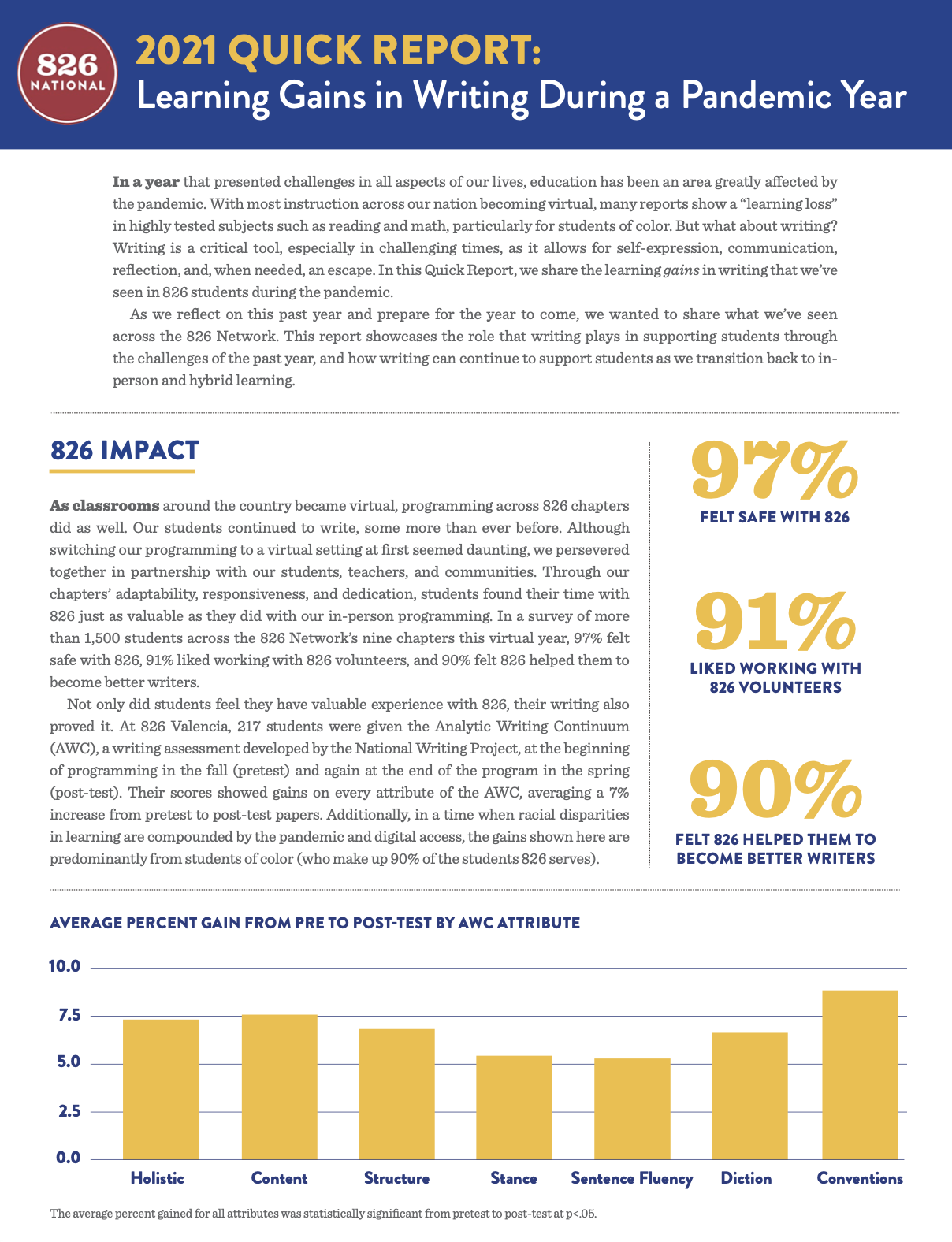
In a year that presented challenges in all aspects of our lives, education is an area greatly affected by the pandemic. With most instruction across our nation becoming virtual, many reports show a “learning loss” in highly tested subjects such as reading, math, and other subjects. But what about writing? Writing is a critical tool, especially in challenging times, as it allows for self-expression, communication, reflection, and, when needed, an escape. In this Quick Report, we share the learning gains in writing that we’ve seen in 826 students during the pandemic.

As we reflect on this past year and prepare for the year to come, we wanted to share what we’ve seen across the 826 Network. This report showcases the role that writing plays in supporting students through the challenges of the past year, and how writing can continue to support students as we transition back to in- person and hybrid learning.

In October of 2020, YpsiWrites, a collaborative community writing center, celebrated a full year of programming with a virtual, multigenerational writing workshop. The celebration began with adults and young people writing and then discussing why writing mattered to them, first as individuals and, then, for the community as a whole. Eight writers in the community–nominated by local organizational partners of YpsiWrites–were then honored as “Writers of Ypsilanti” as they shared their own stories as people who use writing in their daily lives to make change.

Get monthly student writing, teaching resources, and 826 news.